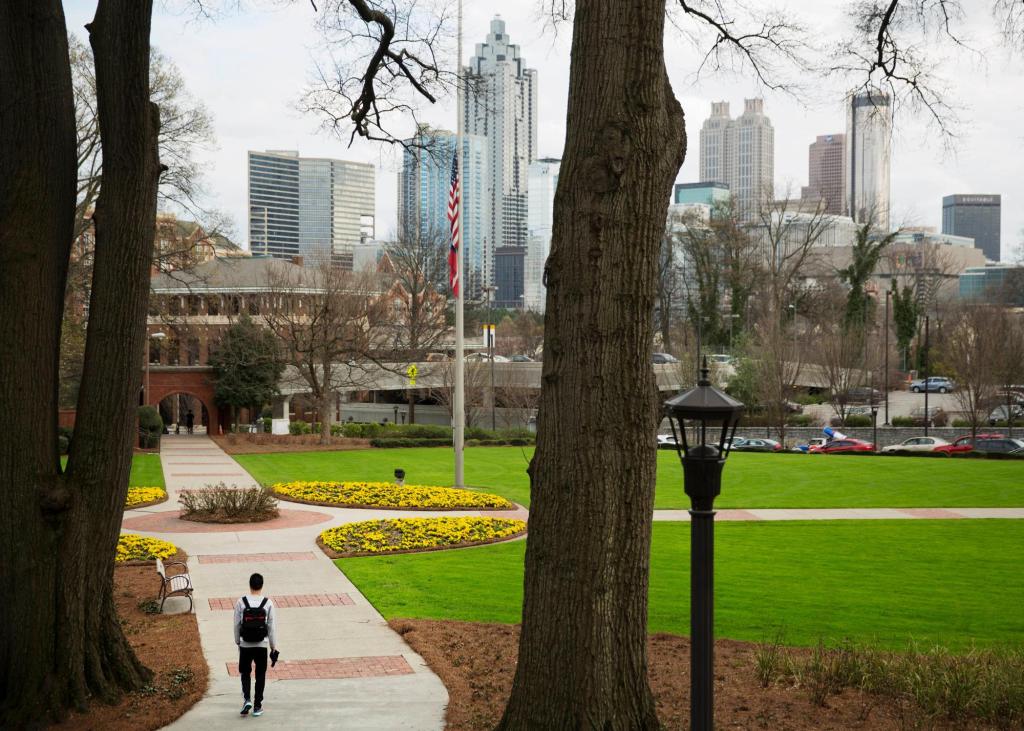
As families consider relocating, the quality of local public schools often becomes a pivotal factor. The allure of modern athletic facilities, spacious classrooms, and cutting-edge technology in science and computer labs can be irresistible for parents who equate these attributes with a superior education. But, as a recent study from Yale Insights explores, does the financial investment in school infrastructure genuinely enhance educational outcomes?
Barbara Biasi, an Assistant Professor of Economics at Yale SOM, alongside her colleagues Julien Lafortune and David Schönholzer, delved into this question. Their research, which spans data from across the United States, seeks to unravel the complex relationship between capital spending on schools and its impact on educational quality and real estate prices. For those interested in a deeper dive, the full article can be found here.
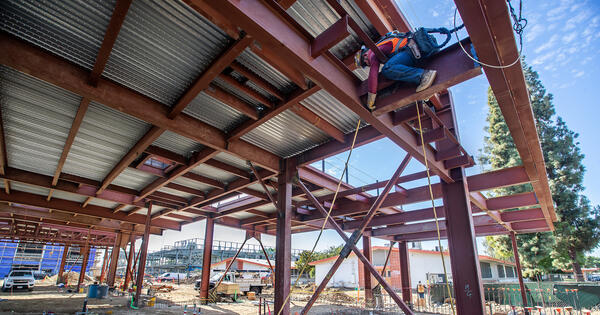
The study’s findings indicate that while capital projects generally increase both test scores and property values, the benefits are predominantly seen in districts with disadvantaged students. Interestingly, the type of capital project plays a crucial role in determining its impact. Projects focused on infrastructure improvements, such as HVAC systems, significantly enhance test scores but do not necessarily raise property values. Conversely, investments in visible amenities like athletic facilities tend to boost property prices.
Biasi’s research highlights a critical consideration for voters who decide on capital proposals. She emphasizes the importance of understanding whether these investments will truly benefit students or merely serve to increase local property values. As she notes, “Public schools are supposed to be free, but really people are paying for the best public school they can afford.”
Implications for Policy and Community
This study raises essential questions about the role of voters in making decisions that impact educational infrastructure. With the majority of voters not being parents, there’s a risk that the benefits of certain projects may not be fully appreciated or prioritized. Biasi hopes that this research will encourage a more informed discussion around school funding and its implications for both students and the broader community.
Looking ahead, Biasi and her team plan to explore how different funding rules across states affect the approval and impact of capital projects. This next phase aims to provide further insights into how modifications in funding rules could potentially reshape the educational landscape.
For more insights from Barbara Biasi and her team, visit her profile on Yale Insights.
More Articles
Getting licensed or staying ahead in your career can be a journey—but it doesn’t have to be overwhelming. Grab your favorite coffee or tea, take a moment to relax, and browse through our articles. Whether you’re just starting out or renewing your expertise, we’ve got tips, insights, and advice to keep you moving forward. Here’s to your success—one sip and one step at a time!
The 2026 housing market is off to a powerful start, with rising buyer activity, expanding inventory, and steady pricing creating one of the most balanced environments in years. Pending home sales and mortgage applications are climbing, inventory has reached 2.6 months of supply, and new listings continue to grow—all signaling renewed confidence and fresh opportunity for real estate professionals nationwide.
A wave of optimism is returning to U.S. commercial real estate heading into 2026, with 95% of investors planning to buy the same or more property than last year. Capital allocations are rising, Sun Belt cities continue to shine, and multifamily remains the top asset class. As pricing stabilizes and debt pressures ease, professionals across real estate and finance are entering a year defined by strategic growth and renewed opportunity.
Floridians were told insurance relief was on the way, but many homeowners are seeing the opposite as premiums continue to rise. Despite state leaders insisting the market is improving and insurers filing rate decreases, homeowners like Lisa Riggi say the real‑world impact tells a different story. Higher property valuations, inflation, and updated replacement‑cost calculations are driving premiums upward, leaving some families questioning whether they can afford to remain in Florida.
Florida once promised retirees sunshine, low costs, and a $20,000 condo by the pool. But in 2026, soaring insurance rates, rising taxes, shrinking affordable housing, and an influx of wealthier newcomers have transformed the state into a far more expensive version of the paradise our parents knew. From corporate buyouts of mobile home parks to multimillion‑dollar estates redefining the market, today’s Florida is a place of widening gaps, disappearing middle‑range homes, and a future that demands deeper pockets—and smarter market insight.
Mortgage rates continue easing into the low 6% range, giving buyers and real estate professionals a welcome boost in early February 2026. Softer labor market data and slipping Treasury yields are helping keep rates stable, with 30‑year fixed loans averaging around 6.26% and refinance rates also trending lower. While affordability remains tight, today’s calmer rate environment is opening doors for more buyers—and offers agents a clearer outlook as they guide clients through a still‑shifting market.
A new CBRE survey reveals that U.S. commercial real estate investors are preparing to ramp up acquisitions in 2026, signaling renewed confidence across the sector. Dallas leads the nation for the fifth straight year as the top investment market, followed by Atlanta and San Francisco. Florida markets like Miami and Tampa continue to rise, while cities such as Charlotte, Nashville, Seattle, and New York also attract strong investor attention. With activity heating up nationwide, 2026 is shaping into a powerful year for commercial real estate professionals.