How Redmond’s “Prisma” Project Is Rewriting the Rules of Affordable Housing Near Transit
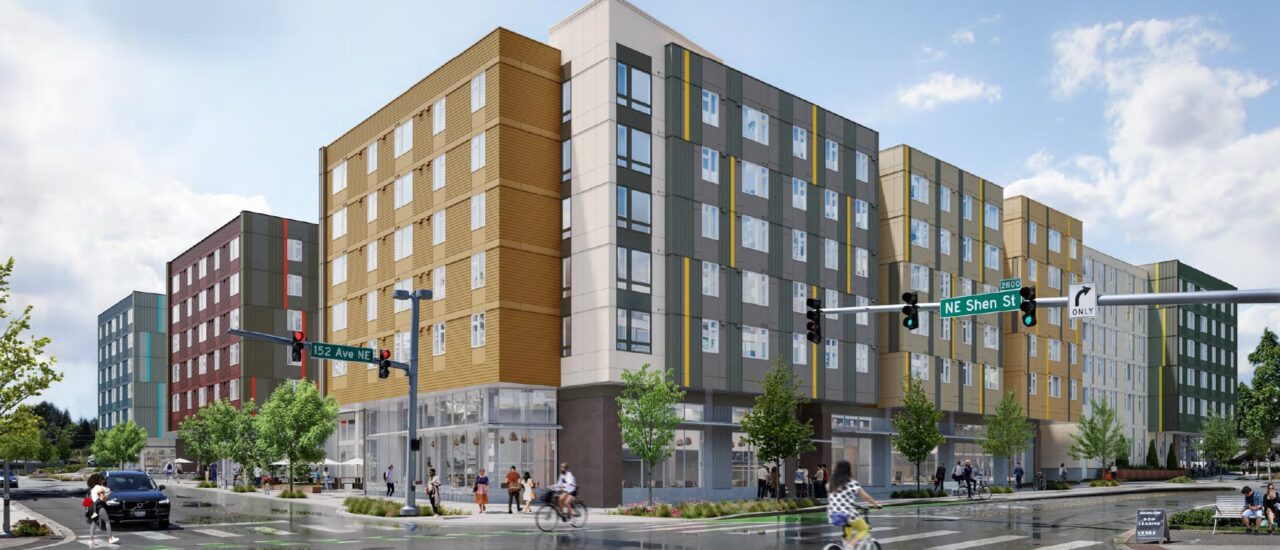
Mixed-use development near transit

Every conversation about housing in Washington seems to echo the same refrain: It’s too expensive, too scarce, and too far from where people work and live. But in Redmond, Washington, a powerful coalition of local government, nonprofits, regional partners, and philanthropic organizations is proving that thoughtful collaboration can break the cycle.

The result is Prisma—a six‑story, mixed-use, transit‑oriented development rising next to Overlake Village Station. Its mission is critical and refreshingly bold: deliver deeply affordable homes for those earning 50% of AMI or less, including dozens of residences reserved for families, people with disabilities, and extremely low-income households.

Quick Highlights

• Surplus Sound Transit land valued at $30M sold for just $250K.
• 328 units, including 55 set aside for households at or below 30% AMI.
• A healthy mix of studios, family-sized units, accessible apartments, and ground-floor retail.
• A national model for equitable transit-oriented development.

Why Redmond Needed a New Approach

Like much of East King County, Redmond has watched its housing prices skyrocket over the past decade, pushing workers farther from jobs, schools, and daily conveniences. A booming economy brought growth—but demand for smaller, more attainable units surged while market-rate developers focused on studios and one-bedrooms.

The city built an impressive “housing toolbox”: inclusionary zoning, expanded land‑use options, expedited permitting, pooled regional funding, and voluntary tax exemptions. These tools supported over 3,900 multifamily units since 2020, but most were affordable only to households earning 60% to 80% of AMI.

The missing piece? Housing for families earning 50% AMI or less. Countywide projections show that over 70% of Redmond’s future housing need through 2050 is concentrated in that income bracket. Prisma delivers directly to this underserved group.

Turning Surplus Transit Land Into Stable Homes

Sound Transit’s Equitable TOD Policy ensures that excess transit land supports community needs. Prisma benefited dramatically: land valued at $30 million was offered at just $250,000—removing one of the largest barriers to deep affordability.

The development also includes a covenant maintaining affordability for at least 50 years, supporting stability and minimizing displacement as the broader tech corridor continues to boom.

A Funding Puzzle Solved Through Collaboration

Prisma demonstrates how layered financing—when carefully structured—makes the impossible possible:

• Sound Transit: land at a near‑donation price.
• King County: over $5 million in gap financing.
• Amazon Housing Equity Fund: soft loans supporting TOD development.
• Washington State Housing Finance Commission: LIHTC allocations + bonds.
• City of Redmond: nearly $3 million in funding plus fee waivers + expedited permits.
• ARCH: regional housing funds pooled across East King County.

With front‑loaded public investment and aligned goals, the project is set to begin construction in early 2026 and open its doors in 2028.

A Blueprint for Cities Nationwide

Prisma is more than another development—it’s a playbook for pairing transit, affordability, and equitable regional planning. Its replicable strategies include:

• Leveraging discounted transit land to reach deep affordability.
• Stacking multiple subsidies instead of relying on a single funding stream.
• Prioritizing families, fully accessible units, and long-term affordability covenants.

For real estate professionals, planners, and policy leaders, Prisma stands as an essential case study in modern development strategy. It illustrates how collaborative leadership can reshape an entire region’s housing future.

If you’re exploring urban development, housing strategy, or seeking to advance your real estate knowledge, a strong educational foundation is essential. Programs at Cameron Academy offer flexible, accredited pathways to help professionals thrive in a rapidly evolving industry—especially as projects like Prisma redefine the future of U.S. housing.


More Articles

Getting licensed or staying ahead in your career can be a journey—but it doesn’t have to be overwhelming. Grab your favorite coffee or tea, take a moment to relax, and browse through our articles. Whether you’re just starting out or renewing your expertise, we’ve got tips, insights, and advice to keep you moving forward. Here’s to your success—one sip and one step at a time!

Free Annual Florida Real Estate Sales Associate 63-Hour Pre-License Course Livestream: A Gateway to Your Real Estate Career

Cameron Academy is thrilled to offer the Free Annual Florida Real Estate Sales Associate 63-Hour Pre-License Course Livestream. This exclusive event is an opportunity for aspiring real estate professionals to gain expert instruction, access a comprehensive curriculum, and connect with a network of professionals in the industry. The course will be livestreamed from December 04-15, 2023, allowing you to participate from the comfort of your own home or office. Register now to secure your spot in this highly sought-after course. Spaces are limited, so early registration is highly recommended. Take the first step towards your real estate career today!

New President of Franchise Operations Welcomed at Coldwell Banker

Coldwell Banker, a renowned real estate brand, has recently appointed Jason Waugh as the new president of Coldwell Banker Affiliates. In his new role, Waugh will be responsible for overseeing the brand's strategy, operations, and sales for its growing network of franchises. This appointment comes as Coldwell Banker aims to further strengthen its position in the real estate market. With an impressive background in the industry, Waugh brings a wealth of experience to his new position. Previously associated with Berkshire Hathaway HomeServices and Berkshire Hathaway Home Services Real Estate Professionals for 18 years, Waugh's expertise and leadership qualities make him an ideal fit for this role.

2024 Conforming Loan Limits Raised by UWM: Insights for Homebuyers and the Housing Market

United Wholesale Mortgage (UWM), the country's leading lender, has increased its agency conforming loan limits to $750,000. This move, ahead of the Federal Housing Finance Agency's expected decision, applies to conventional and VA loans locked from October 11. The decision offers borrowers greater flexibility and access to larger loan amounts, with the benefits of conforming loans. These loans meet the guidelines set by government-sponsored enterprises like Fannie Mae and Freddie Mac, offering lower interest rates and more favorable terms compared to non-conforming or jumbo loans.

By |October 14, 2023|Categories: Mortgage Industry|Tags: |0 Comments

Cost-Cutting Strategy at PNC Bank Leads to Staff Layoffs

PNC Bank has implemented a cost-cutting strategy, leading to layoffs and a shift in focus towards expense management and strategic priorities. The bank aims to streamline operations, improve efficiency, and reallocate resources to align with long-term goals. Despite the layoffs, PNC Bank is committed to supporting affected employees during the transition period. Learn more about PNC Bank's strategy and its impact on the industry at Cameron Academy, a leading career education school.

By |October 13, 2023|Categories: Banking Industry|Tags: |0 Comments

GSE Loan Buybacks’ Effect on Lenders and the Mortgage Market

Government-sponsored enterprise (GSE) loan buybacks have emerged as a significant issue for lenders in the mortgage market. The sudden increase in buybacks from entities like Fannie Mae and Freddie Mac is causing financial and operational strain among lenders. The rise in loan buybacks is largely due to stricter underwriting guidelines enforced by these GSEs. The impact of these buybacks is significant and far-reaching. Lenders not only face financial losses from repurchasing loans, but they also encounter operational challenges. The surge in loan buybacks has created uncertainty in the mortgage market, potentially slowing down the housing market. In response to the challenges posed by loan buybacks, lenders are implementing stricter underwriting practices and enhancing their quality control processes.

By |October 13, 2023|Categories: Mortgage Market|Tags: |0 Comments

An Unexpected Slowdown in Housing Inventory Growth Amid Rising Mortgage Rates

The housing market is currently witnessing an unusual trend - a deceleration in the growth of housing inventory, despite the rise in mortgage rates. This unexpected development has triggered concerns among potential buyers and industry experts. With mortgage rates climbing from their historic lows, the number of homes available for sale remains surprisingly stagnant. We investigate the factors contributing to this unexpected stagnation in inventory growth and examine the implications of rising mortgage rates, limited new listings, and an increase in price cuts. We also consider the impact of external elements such as labor reports and geopolitical risks on the housing market.